- Find store near me
- Free shipping on order over 10000

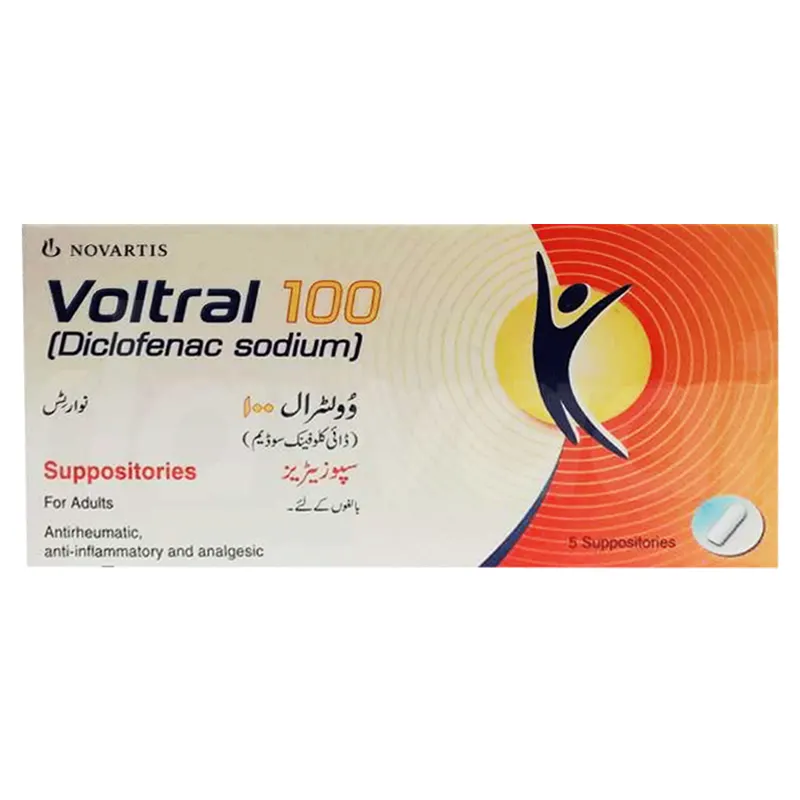
Voltral (100mg) 5 Suppositories
Rs 935
Description
-
Description
Diclofenac Sodium, a non-steroidal anti-inflammatory drug (NSAID), exerts its mechanism of action by inhibiting the production of prostaglandins, which are key mediators of inflammation and pain. It primarily achieves this effect by blocking the cyclooxygenase (COX) enzymes, specifically COX-1 and COX-2. COX enzymes play a crucial role in converting arachidonic acid to prostaglandin H2, a precursor to various prostaglandins. By inhibiting COX, diclofenac sodium reduces the synthesis of prostaglandins, thereby diminishing the inflammatory response and providing analgesic effects. This mechanism of action helps in relieving pain, reducing inflammation, and managing conditions associated with pain and inflammation.
-
Ingredients
Diclofenac Sodium -
Drug Class
Non-steroidal anti-inflammatory drug (NSAID)
-
Dosage Form
Suppository
-
Uses
The following are the uses of Diclofenac Sodium 100mg Suppository:
- Used for relieving acute pain and inflammation, such as in post-operative pain management.
- Used for reducing pain and swelling in musculoskeletal injuries.
- Used for treating acute migraine attacks and providing rapid relief.
- Used for managing pain and inflammation in conditions like gout.
- Used for alleviating menstrual pain and discomfort.
- Used for rapid reduction of fever and associated pain in conditions like flu.
- Used for treating pain and inflammation in conditions affecting the bowel.
-
Dosage
Tailoring Treatment for Optimal Health, Prescribed Medication Dosage is:
- For pain relief from moderate to severe osteoarthritis of the knee- 100 mg to 150 mg, taken as a single dose or divided into 2 doses (1 tablet of 100 mg 3 times per day).
- For pain relief from rheumatoid arthritis- 100 mg to 150 mg taken once a day or divided into 2 doses (1 tablet of 100 mg 3 times per day).
- For analgesia after dental surgery- 1.8 mg/kg (maximum 150 mg) taken once either before or after surgery.
- For analgesia after general surgery- 2 mg/kg (maximum 200 mg) taken once either before or after surgery.
- For non-specific muscle pain and spasms- 50 mg to 100 mg taken once or twice a day.
- For migraine pain- Initially, 50 mg to 100 mg taken once, and then 25 mg to 50 mg every four hours as needed.
- Maximum dose in a day for oral formulations should not exceed 200 mg
-
In case of Overdose
In the case of an overdose of Diclofenac Sodium 100mg Suppositories, the primary concern is the potential gastrointestinal side effects. Symptoms may include abdominal pain, nausea, vomiting, and in severe cases, gastrointestinal bleeding. The severity of symptoms can vary based on the amount ingested and individual sensitivity. Prompt medical attention is necessary, and treatment may involve gastric lavage, supportive care, and monitoring for potential complications. It is crucial to seek medical assistance immediately if an overdose is suspected.
-
Missed Dose
In the case of a missed dose of Diclofenac Sodium 100mg Suppository, it is important to administer the medication as soon as you remember. However, if it is almost time for your next scheduled dose, skip the missed dose and continue with your regular dosing schedule. Do not double the dose to make up for a missed one, as this may increase the risk of side effects. If you miss multiple doses, contact your healthcare provider for guidance on how to safely adjust your dosing regimen.
-
How To Use
To use Diclofenac Sodium 100mg Suppository, after washing your hands, gently insert the suppository into the rectum, pointing it away from the navel, and hold it in place for a few minutes to ensure proper absorption.
-
When Not to Use
Following are the conditions or situations when Diclofenac Sodium 100mg Suppository should not be used:
- Should not be used in individuals with a known allergy or hypersensitivity to Diclofenac or other NSAIDs (non-steroidal anti-inflammatory drugs).
- Contraindicated in patients with active gastrointestinal bleeding or a history of gastrointestinal bleeding or perforation.
- Not recommended for individuals who have recently undergone coronary artery bypass graft (CABG) surgery.
- Should not be used in patients with severe heart failure or heart disease.
- Contraindicated in individuals with severe liver impairment or active liver disease.
- Not suitable for patients with severe kidney disease or renal impairment.
- Should be avoided during the last trimester of pregnancy.
- Not recommended for children below a certain age (as advised by a healthcare professional).
- Should not be used to treat or manage certain types of pain, such as pain after coronary artery bypass surgery or pain associated with bleeding disorders.
-
Side Effects
The side effects of Diclofenac Sodium 100mg Suppository may include:
- Rectal irritation or burning sensation at the application site.
- Nausea and vomiting.
- Stomach pain or discomfort.
- Diarrhea or constipation.
- Dizziness or a spinning sensation.
- Headache.
- Skin rash or itching.
- Increased blood pressure.
-
Precautions & Warnings
Here are the precautions and warnings for Diclofenac Sodium 100mg Suppository:
- Do not use if you have a known allergy to Diclofenac or any other NSAIDs (Non-Steroidal Anti-Inflammatory Drugs).
- This medication is intended for rectal use only. Do not swallow or insert it into any other body cavity.
- Exercise caution if you have a history of gastrointestinal bleeding, ulcers, or other stomach-related disorders, as Diclofenac may increase the risk of these conditions.
- Patients with cardiovascular issues, high blood pressure, or a history of heart attacks should use it with caution and under medical supervision.
- It may cause liver or kidney problems in rare cases. Regular monitoring of liver and kidney function is recommended during long-term use.
- Avoid using Diclofenac if you are pregnant or breastfeeding unless advised by your doctor, as it may have potential risks for the fetus and infant.
- Inform your healthcare provider about all the medications you are taking to avoid potential drug interactions.
-
Drug Interactions
Following are the drug interactions for Diclofenac Sodium 100mg Suppository:
- Concurrent use with other non-steroidal anti-inflammatory drugs (NSAIDs) or aspirin may increase the risk of gastrointestinal bleeding and ulcers.
- May reduce the effectiveness of antihypertensive medications, including ACE inhibitors, angiotensin II receptor blockers, and beta-blockers.
- Potentially serious interactions with diuretics, leading to decreased kidney function and increased risk of diuretic toxicity.
- Can decrease the elimination of lithium, resulting in potential lithium toxicity.
- Increased risk of bleeding when used with anticoagulants (e.g., warfarin, heparin) or antiplatelet drugs (e.g., clopidogrel).
- May reduce the effectiveness of anti-diabetic medications, including insulin and oral hypoglycemic agents.
- Interactions with cyclosporine and methotrexate can increase their toxicity and side effects.
-
Food Interactions
Following are the food interactions for Diclofenac Sodium 100mg Suppository:
- Avoid excessive alcohol consumption as it can increase the risk of gastrointestinal bleeding and liver toxicity.
- Grapefruit and grapefruit juice should be consumed with caution as they may affect the metabolism of Diclofenac, potentially increasing its levels in the body.
- Caffeine-rich foods and beverages might increase the risk of stomach irritation and should be consumed moderately.
- Avoid high-sodium foods, as Diclofenac can cause sodium retention, and excessive sodium intake may lead to fluid retention and increased blood pressure.
- Limit spicy foods as they can potentially irritate the gastrointestinal tract, especially if you have a history of stomach ulcers or gastritis.
- Avoid potassium-rich foods like bananas, oranges, and spinach if you have kidney issues, as Diclofenac can affect kidney function and alter potassium levels.
- Be cautious with fatty foods as they may slow down the absorption of Diclofenac, potentially affecting its effectiveness.
- Always stay well-hydrated to maintain a healthy gastrointestinal environment and reduce the risk of side effects.
-
Storage/Disposal
Diclofenac Sodium 100mg Suppositories should be stored with caution to ensure their effectiveness and safety. Keep them in a dry and cool place, preferably at room temperature, and protect them from direct exposure to sunlight or moisture. It’s crucial to store the suppositories in their original packaging, tightly sealed, to maintain their integrity and prevent contamination. Avoid placing them in the bathroom or near heat-emitting appliances, as temperature fluctuations can impact their quality. Always check the expiration date, and when disposing of unused or expired suppositories, do not flush them or pour them down the drain. Consult a pharmacist for the appropriate disposal method to ensure environmental safety. Keep the medication away from children to prevent accidental use.
-
Quick Tips, if any
Following are the quick tips for Diclofenac Sodium 100mg Suppository:
- Ensure your hands are clean before administering the suppository for hygiene purposes.
- Gently insert the suppository into the rectum, pushing it far enough to ensure it stays in place.
- Wash your hands thoroughly after handling the suppository to maintain cleanliness.
- Try to remain lying down for a few minutes after insertion to prevent the suppository from falling out.
- Avoid straining or having a bowel movement for at least an hour after insertion for optimal absorption.
- Store the suppositories in a cool, dry place, away from direct sunlight and moisture.
- Consult your healthcare provider if you have any concerns or experience discomfort during or after use.
-
Laboratory Screening
Diclofenac sodium is a standout pain-relieving medication and reducer of inflammation and fever, frequently used to treat rheumatoid arthritis, osteoarthritis, and other joint pain. This medication should be used with caution and under a doctor’s supervision, although it is not a prescription drug. Depending on the individual’s needs, various lab tests may be required, particularly if they have underlying medical conditions that require close monitoring. Discussing other necessary lab tests with your doctor is recommended if you have specific medical conditions or are taking other medications. Your doctor may recommend regular blood tests to monitor your blood cells, liver and kidney function, and other essential markers. This is done to identify any signs of anemia or thrombocytopenia resulting from long-term use. Regular liver and kidney function tests are necessary to ensure the medication is not causing any undue stress on these organs. Periodic blood pressure checks with your doctor may also be recommended, given diclofenac sodium’s effect on blood pressure and the potential for issues with kidney function. Additionally, electrolyte panels may be monitored to ensure potassium levels are within the normal range, helping identify any issues with kidney function and assisting in managing the side effects of the medication. Conducting these lab tests periodically or as needed, under the guidance of your healthcare provider, is essential to ensure diclofenac sodium’s safety and efficacy, considering your individual circumstances.
Only logged in customers who have purchased this product may leave a review.



Reviews
There are no reviews yet.